

When there is no good answer – Turning a difficult decision into a better quality of life
January 19, 2011 by Viki Kind
Filed under For Patients & Families
Every day, caregivers are faced with painful choices. The other day, a man shared with me that he had promised his mom that he would never put her in a nursing home. But now she needed more care than he could provide. Just this week, she had started a fire in the kitchen. He didn’t want to break his promise but he couldn’t protect her from herself.
This type of situation can be so painful. We want to do the right thing, but sometimes it becomes impossible. I explained to him that even though he had made a promise, he couldn’t stand by and let his mom be in harm’s way. He hadn’t known what the future would hold when he made that promise. I explained to him that as caregivers, we have a responsibility to step in and to make sure the person is safe.
I encouraged him to do what he could to keep her at home. Perhaps he could hire more help or make the house safer. But if those options didn’t work, he had to forgive himself and do the right thing to find a good care facility. This doesn’t mean he won’t feel badly about going back on his word. This is the hard road of caregiving.
Choosing the Least Worst Option
What often helps caregivers making the tough decisions is to realize that sometimes we have to pick the “least worst option.” What does this mean? It means we don’t always get a “good answer” or a “good choice” when making a decision. The only choice may be to pick the least terrible option, because that is the best option available.
Of course, caregivers should work hard to determine if there are any better options available, asking other people for help as they research their choices. But if the only option is one that is less than optimal, we will need to make peace with the situation by doing our best to make a bad situation a little better.
Creating a Better Quality of Life
When the “best” choice isn’t available, we can still make the decision better. As you evaluate the options, think about how your decision will be experienced by the person in your care. What will it feel like to move to a new place? What will it be like to go through a medical test or procedure? How will the decision be perceived through the mind of someone with Alzheimer’s or dementia?
For the gentleman who now needs to place his mom in a memory care unit, he will need to look at the places that are available, to consider what his mom can afford and to make sure the place will meet his mom’s needs. He will also have to look at how he can make the transition easier on his mom. What can he do to make her feel safer when she moves there? How can he bring joy and comfort to her when he visits? What can he do to improve the quality of her life, even though this is not the kind of life she would have wanted? Even though his mom would never have wanted to move out of her home, her son can make each day a little better for her. This is called person-centered care—when we think about how our choices will be experienced by the individual in our care.
Have a kind and respectful day.
When you are going the wrong way, turn around.
August 2, 2010 by Viki Kind
Filed under Featured, For Patients & Families

When we are making the decisions for those in our care, it is important to make sure that the decision is still working. You may find that you made the best medical decision you could and then the plan didn’t work. When this happens, it is important to reconsider the treatment plan. Otherwise, you’re driving down the wrong road: You can keep driving and driving, but you will never get to where you are going. You need to stop, ask for new directions and then start down a new path.
You may also need to modify your expectations when things don’t work. Sometimes we are so desperate for the plan to work that we can’t bear to see the truth when the plan fails. You are not helping your loved one by continuing treatments that don’t work. You are only subjecting the patient to needless side effects and increased suffering. One thing that doctors may want to do is to try a time-limited trial of a proposed treatment option. “Let’s try it for a few days or for a little while and see how it goes.” This is a really great option. After the set time expires, you can check to see if the decision is working. If it is not working, go back through the decision making process and make a better decision based on the new information about the patient’s changing condition. Don’t be stubborn and keep driving your loved one in the wrong direction. Take this as an opportunity to turn around and get it right.
Have a kind and respectful day.
Autonomy and Patient’s Rights
June 24, 2010 by Viki Kind
Filed under For Patients & Families
Autonomy means that a person makes his own decisions, so it only works with people who have the capacity to make their own decisions. If you have determined that your loved one still has capacity, then this is the correct decision making option. With Autonomy, the person gets to say what should be done to his body.
When I went to my doctor to talk about my injured back, my doctor told me what options were available to help me get better. He said I could try physical therapy, have a cortisone injection in my back, or just wait and see if it got better over time. Because I had the ability to think for myself and to make my own decisions, I was able to choose what I wanted to do. I got to think about the different options I was given and then make my own decision. I had Autonomy.
Here are some of the patients’ rights that come with using autonomy:
• Patients have the right to receive all the information they need to make a good decision.
• Patients have the right to make their own decisions.
• Patients have the right to refuse treatments they do not want.
• Patients do not have the right to demand treatments that will be medically ineffective or are medically inappropriate for their condition.
It is important to realize that there are limits to a patient’s rights. A patient is limited to asking only for treatments that will benefit her. This limitation makes sense. It would be pointless, and potentially harmful, to provide a treatment or medication that would not improve the patient’s condition.
Keep in mind that autonomy only works with people who have the capacity to make their own decisions. If you have determined that your loved one does not have decisional capacity, you will have to use different tools such as Substituted Judgment or the Best Interest Standard. (I will cover these two later this month.)
Have a kind and respectful day.
Better Hearing and Speech Month – Stop and listen and get people the help they need
May 13, 2010 by Viki Kind
Filed under For Patients & Families
The American Speech-Language-Hearing Association (ASHA) http://www.asha.org
It is so important to make sure that your aging loved ones get check ups for both hearing and seeing. Oftentimes, a person starts to withdraw and to be less involved in life if he or she is having difficulties being able to hear or see. He or she may not realize things have changed drastically because the changes happen slowly over time. I didn’t realize that my dad had such poor vision until I sat with him during his eye appointment. Then I understood how much he was missing and how I needed to make sure we modified his space to help him with his visual limitations.
Language barriers also create an obstacle to getting what one needs. Too often I see healthcare professionals discount or ignore someone with speech limitations and turn to the family member instead. It also happens in our day-to-day life when we want someone in front of us in line to hurry up but they can’t because it takes them longer to speak.
Just because people can’t speak well or speak fast, doesn’t mean they shouldn’t have a voice in their lives. There are other ways to communicate. People can write, type, point to words or pictures on a board or sign. Many times it is just about having patience. Having the patience to sit still while the other person finds the words. And what I have found with my hospice work is that people communicate even when they can’t say a word. So, sit still and listen. You make a difference when you do.
Have a kind and respectful day.
Speaker phone, conference call or webcam your loved one’s doctor appointment.
March 30, 2010 by Viki Kind
Filed under Featured, For Patients & Families
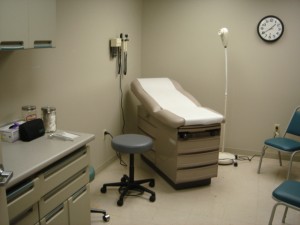
If you can’t go to the doctor’s appointment with your loved one, whether it is because of work or distance, you can go by speaker phone. Have your loved one take their cell phone or use the doctor’s phone and put it on speaker in the exam room. You can give the doctor more information if your loved one isn’t a good communicator and then listen as the doctor tells you both the treatment plan. You can also use the conference call function to make sure the other family members are included. Communication is essential to understand the situation and to make good decision making.
If your loved one is in the hospital and you can’t make it, have someone bring in their laptop or ask someone at the hospital to set it up so you can use your webcam to see how your loved one is doing. There is nothing like seeing the person with your own eyes to help you understand what the doctor is talking about. Too often we can’t imagine what the doctor is telling us as we still picture our loved one like they used to look. An image, either by webcam or picture can give you a better picture of the condition of your loved one and what he or she is going through.
I am not saying that you shouldn’t come in person to see your loved one or to the doctor’s appointment, but for those times when you can’t be there, use the technology available.
Have a kind and respectful day.
Moira Fordyce’s recommends the resources on the American Geriatric’s Society website
February 8, 2010 by Viki Kind
Filed under For Patients & Families

I was speaking with Moira Fordyce from the California Coalition for Caregivers and she told me about the wonderful resources available at the American Geriatrics Society website. http://www.healthinaging.org/public_education/index.php The great thing about this website is that you know you can trust this information because it is coming from physicians who specialize in helping the aging patient and their loved ones.
You may also want to take a look at the California Coalition for Caregivers as they are an advocacy organization and are fighting to make sure that resources and protections are in place for our aging population. http://www.californiacrc.org If you live in California, they will send you alerts when it is time to contact your local representatives about an upcoming bill or iss
Lastly, you might want to download some of the legal handbooks for senior care from Bet Tzedek Legal Services at http://www.bettzedek.org/publications.html#guides.
Below I have listed the topics from the American Geriatrics Society’s site. They have Tip Sheets, What to Ask Your Doctor, and General Aging Topics. It is like having a trusted friend to turn to for help. Have a kind and respectful day and enjoy the resources.
Latest Foundation Tip Sheets
Caregivers
Guide to Advance Directives
Tips For Avoiding Caregiver Burnout
Healthy Aging
Advice for Improving Your Memory
Cognitive Vitality
“Geriatric Syndromes”
Good Health in Later Life for Older Men
Good Health in Later Life for Older Women
Improving Communication with Your Healthcare Provider
Overcoming Challenges to Healthy Aging
Persistent Pain Tips
Holidays
Tips for Beating the Holiday Blues New!
Top 10 Healthy New Year’s Resolutions for Older Adults New!
Safety
2009 H1N1 Flu (“Swine Flu”) Tips
Emergency Preparedness Tips
Falls Prevention Tips
Home Safety Tips
Hot Weather Safety Tips
Safe Travel Tips
Safe Sex Tips
Safety Tips for Seniors Considering Visits to Retail Medical Clinics
Walking Tips
Winter Safety Tips
Spanish
Spanish Language Health Tip Sheet: “Manejo del “Dolor Persistente” en la Tercera Edad”/“Managing Persistent Pain In The Elderly”
Surgery
Hip and Knee Joint Replacement Tips
Vaccinations and Medications
Avoiding Overmedication and Harmful Drug Reactions
Vaccination Tips
What to Ask?
Questions for Your Healthcare Provider
How We Age
• Physical Activity
• Prevention
Health Care Decisions and Issues
• Health Assessment
• Health Care Settings
o Community-Based Care
o Hospitalization
o Nursing Home Care
• Complementary and Alternative Medicines
• Drug Treatment
• Elder Mistreatment
• Ethical and Legal Issues
• Pain Management
• Palliative Care and Hospice
• Rehabilitation
Elder Health at Your Fingertips
• Cancer
• Diabetes
• The Digestive System
o Disorders of the Digestive System
o Disorders of the Mouth
• The Heart, Lungs, and Blood and Circulation
o Anemia and Other Blood Disorders
o Breathing Problems
o Fainting (Syncope)
o Disorders of the Heart and Circulatory System
o High Blood Pressure
• Hormone Disorders
• Joints, Muscles, and Bones
o Back Pain
o Falls
o Foot Problems
o Osteoporosis
o Walking Problems
• Mental, Neurological, and Psychological Conditions
o Anxiety
o Delirium (Sudden Confusion)
o Dementia
o Depression
o Diseases of the Nervous System
o Dizziness
o Mental Retardation
o Personality Disorders
o Psychological and Social Issues
o Psychoses (Delusions and Hallucinations)
o Sleep Problems
o Substance Abuse
• Nutrition
• Sexuality and Sexual Concerns
o Gynecological (Female) Disorders
o Prostate Disease
o Sexual Problems
• The Senses
o Hearing Loss
o Vision Loss and Other Eye Diseases
• The Skin
o Pressure Ulcers (Bed Sores)
o Skin Diseases
• The Urinary System
o Kidney Problems
o Urinary Incontinence
Topics at a Glance
How We Age
• The Aging Process
• Trends in the Elderly Population
• Physical Activity
• Prevention
Health Care Decisions and Issues
• Talking to Your Healthcare Providers
• Health Assessment
• Health Care Settings
o Community-Based Care
o Hospitalization
o Nursing Home Care
• Complementary and Alternative Medicines
• Drug Treatment
• Elder Mistreatment
• Ethical and Legal Issues
• Insurance, Financing, and Costs of Health Care
• Pain Management
• Palliative Care and Hospice
• Rehabilitation
Elder Health at Your Fingertips
• Cancer
• Diabetes
• The Digestive System
o Disorders of the Digestive System
o Disorders of the Mouth
• The Heart, Lungs, and Blood and Circulation
o Anemia and Other Blood Disorders
o Breathing Problems
o Fainting (Syncope)
o Disorders of the Heart and Circulatory System
o High Blood Pressure
• Hormone Disorders
• Infectious Diseases
• Joints, Muscles, and Bones
o Back Pain
o Falls
o Foot Problems
o Osteoporosis
o Problems with Joints, Muscles and Bones
o Walking Problems
• Mental, Neurological, and Psychological Conditions
o Anxiety
o Delirium (Sudden Confusion)
o Dementia
o Depression
o Diseases of the Nervous System
o Dizziness
o Mental Retardation
o Personality Disorders
o Psychological and Social Issues
o Psychoses (Delusions and Hallucinations)
o Sleep Problems
o Substance Abuse
• Nutrition
• Sexuality and Sexual Concerns
o Gynecological (Female) Disorders
o Prostate Disease
o Sexual Problems
• The Senses
o Hearing Loss
o Vision Loss and Other Eye Diseases
• The Skin
o Pressure Ulcers (Bed Sores)
o Skin Diseases
• The Urinary System
o Kidney Problems
o Urinary Incontinence
Shared Suffering – Doctors and Patients Are In This Together
January 18, 2010 by athirdmind
Filed under For Patients & Families
I was speaking to a doctor the other day who is drowning under a sea of patients. He is expected to see 25 patients in the hospital per day as well as admitting those who are coming in through the emergency room. And what makes his day even harder is waking up each morning; knowing his day is already doomed. (This is a well-meaning, good doctor who is still fighting to take care of his patients in a broken system.)
The patients and families he sees are angry that they have had to wait so long. He ends up spending most of his valuable time explaining and apologizing for the delays rather than actually taking care of the patient. If you add up 5minutes of apologizing times 25 patients; that equal about 2 hours of his workday. No wonder he doesn’t have enough time. When he is over-booked, he loses minutes each time he walks into the room.
And unfortunately, even when patients are told that he is busy handling an emergency or life-or-death situation, the patient and/or family is upset about having to wait so long. I totally understand this. We all want to be seen right away and want our needs to be taken seriously. But I think we all need to face the reality of medicine today. Our doctors are overwhelmed and we are asking for more than is possible from them.
I know this is difficult to accept. Our standards and sense of entitlement have become so high that our expectations have outgrown the system. I am not saying that you shouldn’t advocate for your health, but please bring some patience with you in the process. Bring a book to read, a game to play or your phone charger with you so you can call your friends. Most of our doctors are really trying their best. Don’t waste your valuable minutes with the doctor complaining about the wait, but get right to the point and use your time wisely. You only get a few minutes with the doctor so use them well.
Have a kind and respectful day.
3 Secrets to Getting the Most Out of Your Dr.’s Appointment
January 7, 2010 by Viki Kind
Filed under For Patients & Families
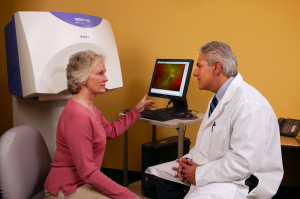 Do you feel like the doctor doesn’t have enough time to listen to your complaints? Is it frustrating to leave the doctor’s office and realize you didn’t get your questions answered?
Let me tell you what is going on and you aren’t going to like it. The doctor has about 12 minutes to listen to you, exam you, figure out what is wrong with you and put together a plan to help you get better.
I can hear you saying, “But 12 minutes isn’t enough.” Of course not, but that is the reality of medicine today.
You can complain but if you are smart, you can learn the three simple steps below to get the most out of your doctor’s appointment.
Here is Secret #1. You have to think like a doctor. Doctor’s think in an organized manner, so we have to give them our information in an organized way. Doctors usually play a guessing game with us as they try to figure out what is our “chief complaint”. But these questions are just wasting our precious minutes. The more organized and prepared you are for your appointment, the better.
Here is Secret #2. The doctor will make more time for you if he likes you better. And if your doctor likes you, you will get better care. I know it doesn’t seem fair but that is just the way it works.
Secret #3 is to make sure you are nice to all of the office staff. They can make it easier or more difficult for you to get in to see the doctor. They control his schedule. So, be kind to them and say, “Thank you.”
Now let’s make it easy for the doctor to help you.
Step 1. Write down all of your medications, occasional cold medicines, vitamins, herbal medicines, natural supplements, etc. And I mean everything. Even things you don’t think are important may be very important to your health. The doctor can’t protect you from things that he doesn’t know about, so write them down. If you don’t want to write them down, then bring all of them to the appointment with you.
Step 2. Write down how you are feeling. Why are you coming to see the doctor? Tell him what is hurting you, bothering you or any other physical complaints? Write down the new symptoms first and then write down the problems that are ongoing.
Step 3. Write down your questions and then circle the 2 most important questions. The doctor doesn’t have time to answer all of your questions so it is up to you to keep the doctor focused on what is most important to you.
And a Bonus Secret, if you want to make the doctor angry, keep your most important question a secret until the end of the appointment, and as the doctor is walking out the door say, “I have one more question …” If you wait until the end for this “Oh by the way” question, the doctor will only have one minute left to answer it. Please, write down this most important question so the doctor can spend time helping you.
If you would like, I have created a form for you to use each time you go to the doctor, Viki Kind’s Office Form for getting more from your doctor. Sign up for my newsletter and I will send you new support tools once a month. Print out a couple of copies so you have them ready before your next appointment.
Have a kind and respectful day.
VeteranAid.org
December 3, 2009 by Viki Kind
Filed under For Patients & Families
I wanted to let you know about a resource I recently discovered which helps the veterans who need senior services get the benefits they need. VeteranAid.org
Here is Debbie’s story by Debbie Burak:
I’m often asked the question “why” I have taken this mission on. It is a 9-year journey of how I arrived at this point but as with many things, it is the climatic ending of a movie or a good book that has the most impact and drives the point home. In this case it was the ending of my mother’s life that became so pivotal for me.
I spent the last 10 days of her life at her bedside in Hospice, and watched how this life we take for granted slips quietly out of a room. How our survival instincts give way to resignation and acceptance that this fight is over. I looked into the eyes of my dying mother who continuously asked if her check from
the VA had come so that there would be money to bury her instead of cremation. The answer was always the same……..No. Even in her weakened state she would have known if I had lied and said yes. I couldn’t do that to her or to me.
My parent’s time in assisted living began as a result of a fire that rendered them homeless in a matter of minutes. My mother had been trapped in an 8ft enclosed patio with no exit, and at the last minute two angels came to her rescue. One jumped inside the patio while the other straddled the wall and together they pushed and pulled her up and over the wall to safety.
Monies had long been exhausted for their care, and they had not planned well enough to bear the burden of so many years in the care of others. So while her question about the check coming from the VA may seem insignificant, it would have allowed us to honor her burial wishes. Her fear of facing another fire was more than any of us could endure. I thought about how different this ending could have been, how different things would have been for both my parents if we had known about Aid and Attendance
from the beginning. $160,000 would have gone a long way to have made their lives better, and to help
lessen the financial hardship placed upon our family over 9 years. I thought about all the inquires to the VA for benefits for them, and repeatedly being told there was nothing, when all along there was.
To now have the pension awarded to my mother and be denied to the very end, to the last breath, yes, it was a defining moment in my life.
One of the last things my mother said to my sister and I was to “promise her that we would make certain that she was really dead before we let them put her in.” We promised and we made sure. I also promised something else that day, and that was to make certain that she did not wait in vain. That there would be a greater good that would come from this sorrow. If one veteran and their family have better choices, then she made a difference.
I prefer to believe that this is her gift to give, and I am simply the messenger. Debbie Burack
Have a kind and respectful day.
There is more to the people in our lives than we can see
November 30, 2009 by Viki Kind
Filed under For Patients & Families
I went to a funeral this weekend and it reminded me how little we know about the people in our lives. As the different people stood up and told stories about how this gentleman had affected their lives, the richness of who this man had been, came alive. I realized how much more I could have learned about him and the life he had led. I truly have missed out in not getting to know this person better.
I remember when I visited my aunt and one of her caregivers showed me a picture of my aunt on her phone. This caregiver considered my aunt her best friend. I was close to my aunt and had never even heard about this person. How could this be? Was I not asking the right questions or not showing an interest in my aunt’s life? I thought I was but now I don’t know. There was much more to her than I realized. I only saw her in relationship to who we were to each other. I didn’t see the many people she touched and how she affected the world.
It would be wonderful if we could take some time out and find out something new about the people we love. Try to see them as the world sees them. Find out more about how they make a difference in the world. Or if you can, try to see their world through their eyes. The people in our lives matter in more ways than we could ever imagine.
Have a kind and respectful day.
